

Description
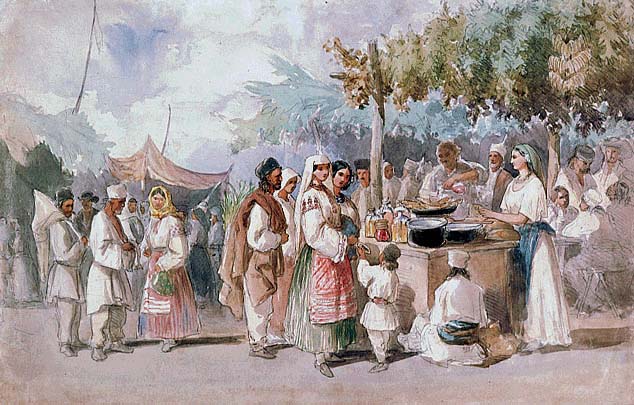
The traditional holiday “Drăgaica” (Sânzienele/ Midsummer Day), is celebrated with much fanfare in the area of Turnu Măgurele and symbolizes in its development the harvest in June.
Drăgaica is a ritual of agrarian origin, practiced on June 24th through Muntenia, Moldavia and Oltenia, near the summer solstice. The ritual aims at the prosperity and protection of crops, especially cereals. This celebration coincides with the Christian feast of the Nativity of St. John the Baptist. Tradition requires that on this day no one works because on this day it is summer, and the Sun plays in the sky or stays in place at noon.
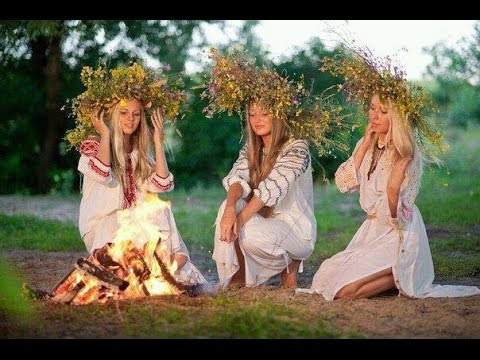
Drăgaica is celebrated by a dance performed by a group of 5-10 girls, one of whom is chosen, as Drăgaică. She is dressed as a bride and adorned with ears of wheat, while the other girls dress in white, wearing a wave on their face in which flowers are caught and holding a scythe in their hand. Once established, Drăgaica’s procession starts to walk through the village and the fields. At stops, especially at crossroads, the girls sit in a circle, singing and performing a high-jumping dance whose movements draw a cross.
It is said that Dragaica makes the fruits ripen faster, protecting them from damage and rot. Elsewhere, this holiday has the name of Sânziene, but also several meanings.
Dragaica can also designate the yellow flower scientifically called Galium verum, or sânziana, which usually blooms during the ritual. If the flowers are not in bloom, it is a bad sign, it means that something has confused the development of the year, or that people have upset the Sânziene.
Also on this day, on June 24th, Romanians celebrate the Universal Ia day.